Tooth loss can significantly affect not only an individual's appearance but also their overall oral health. When a tooth is lost, the surrounding teeth can shift, leading to misalignment, increased plaque buildup, and potential periodontal issues. This article will discuss how dental implants can maintain oral health after tooth loss and provide practical guidance for individuals considering this restorative option.

Dental implants are artificial tooth roots, typically made from titanium, that are surgically embedded into the jawbone. They serve as a sturdy foundation for replacement teeth, which can be in the form of crowns, bridges, or dentures. Compared to other tooth replacement options, dental implants offer a more permanent solution and can significantly improve functional and aesthetic outcomes.
Proper care of dental implants is crucial for maintaining oral health post-implantation. Here are some best practices:
Q1: How long do dental implants last?
A1: With proper care, dental implants can last 10 to 15 years or longer. Regular monitoring and good oral hygiene can significantly extend their lifespan.
Q2: Are dental implants painful?
A2: Most patients report that they experience minimal discomfort during and after the procedure, which can be managed with prescribed pain relief medication.
Q3: Who is a good candidate for dental implants?
A3: Ideal candidates are individuals with sufficient jawbone structure, healthy gums, and non-smokers or those willing to quit. However, a thorough evaluation by a dental professional is necessary.
Q4: Can dental implants get cavities?
A4: While dental implants do not decay like natural teeth, the surrounding gum tissue can develop infections or other issues if not properly cared for.
Dental implants provide a reliable solution for tooth loss and significantly contribute to the maintenance of oral health. By preventing bone loss, preserving adjacent teeth, improving oral hygiene, enhancing functionality, and offering aesthetic benefits, they present a comprehensive approach to dental restoration. As with any medical treatment, consultations with qualified dental professionals are crucial for individualized care and successful outcomes.
For more information on dental implants and oral health care, you can visit reputable dental websites such as American Dental Association and WebMD.





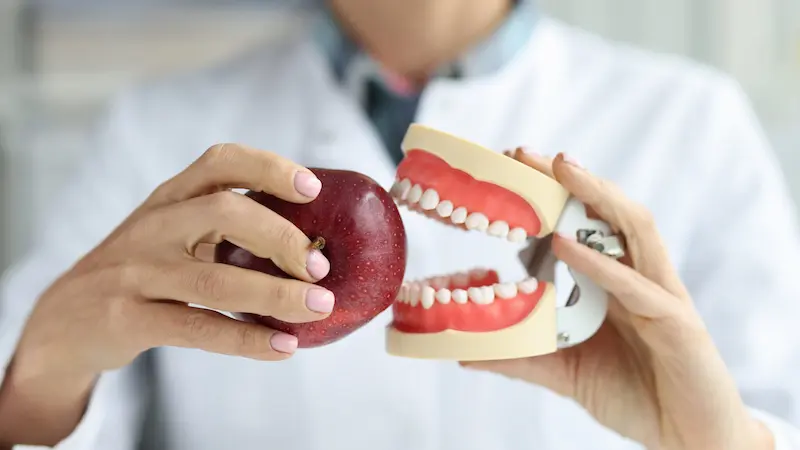
As society advances, the significance of oral health, particularly among the elderly population, has garnered increasing attention. One of the essential developments in this realm is the emergence of dental implants, which provide a viable solution for individuals suffering from tooth loss.
This article aims to provide an objective overview of the benefits, maintenance, and best practices related to dental implants for the elderly, enabling them to maintain optimal oral health.

This guide reviews low-cost dental implant options and how people in English-, Spanish-, and Portuguese-speaking countries typically manage affordability. It explains what dental implants are, which factors drive price, and how to compare clinics, insurance, and dental tourism routes. It also provides practical steps, example implant cost ranges by country, and expert-style FAQs.
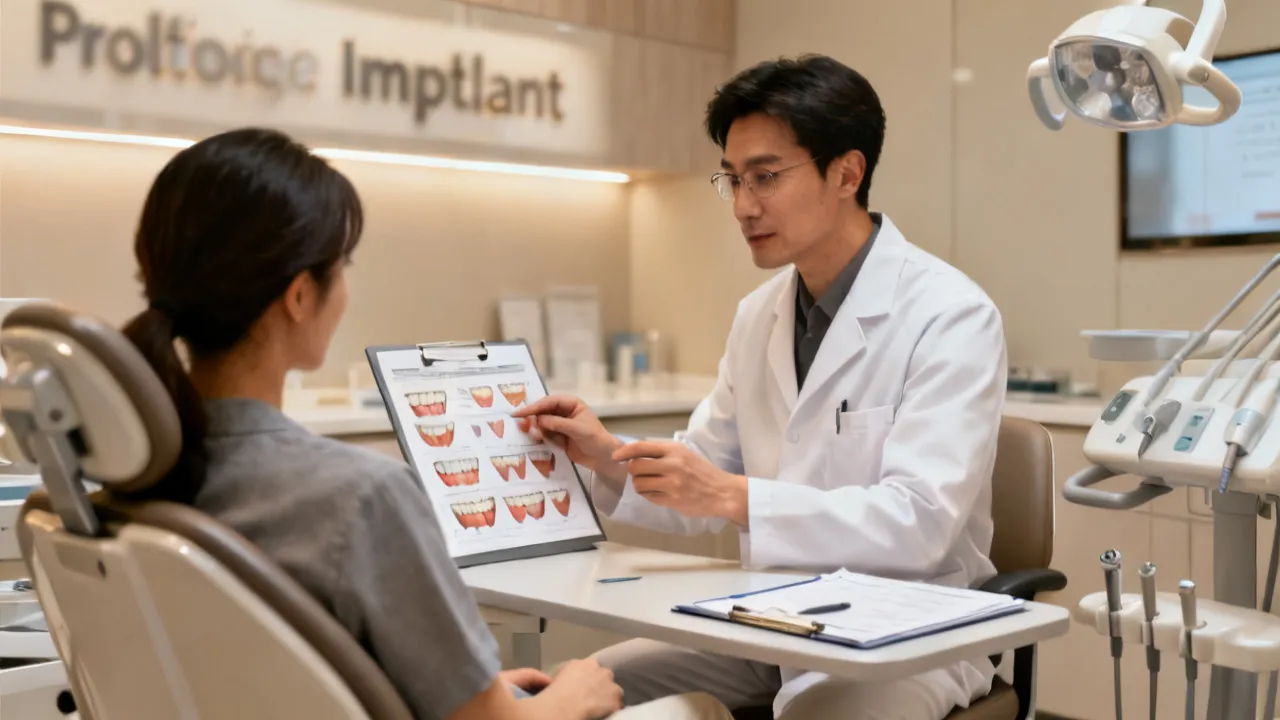
This guide examines how people evaluate low-cost dental implant options, with practical decision frameworks and cost expectations across English-, Spanish-, and Portuguese-speaking countries. It objectively discusses the role of patient eligibility, treatment planning, and dental insurance, and then details how to compare providers and manage total costs. Jane Aparecida Rodrigues is included as a reference name within the dental care context.
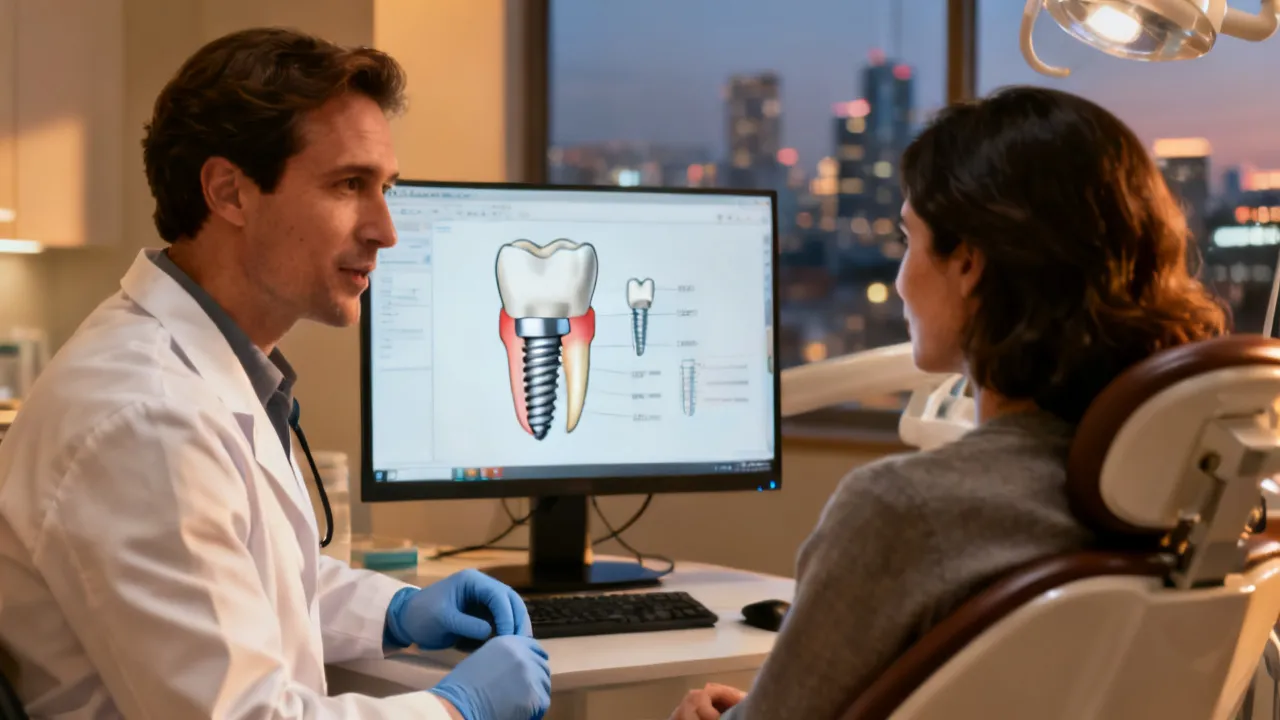
This guide explains Vitrali Moema’s role in the broader conversation about dental implants and cost-conscious care, while remaining objective. It reviews how implant treatment works, what “low-cost” typically means across English-, Spanish-, and Portuguese-speaking markets, and outlines a step-by-step process, price reference ranges, and FAQs so patients can plan responsibly.
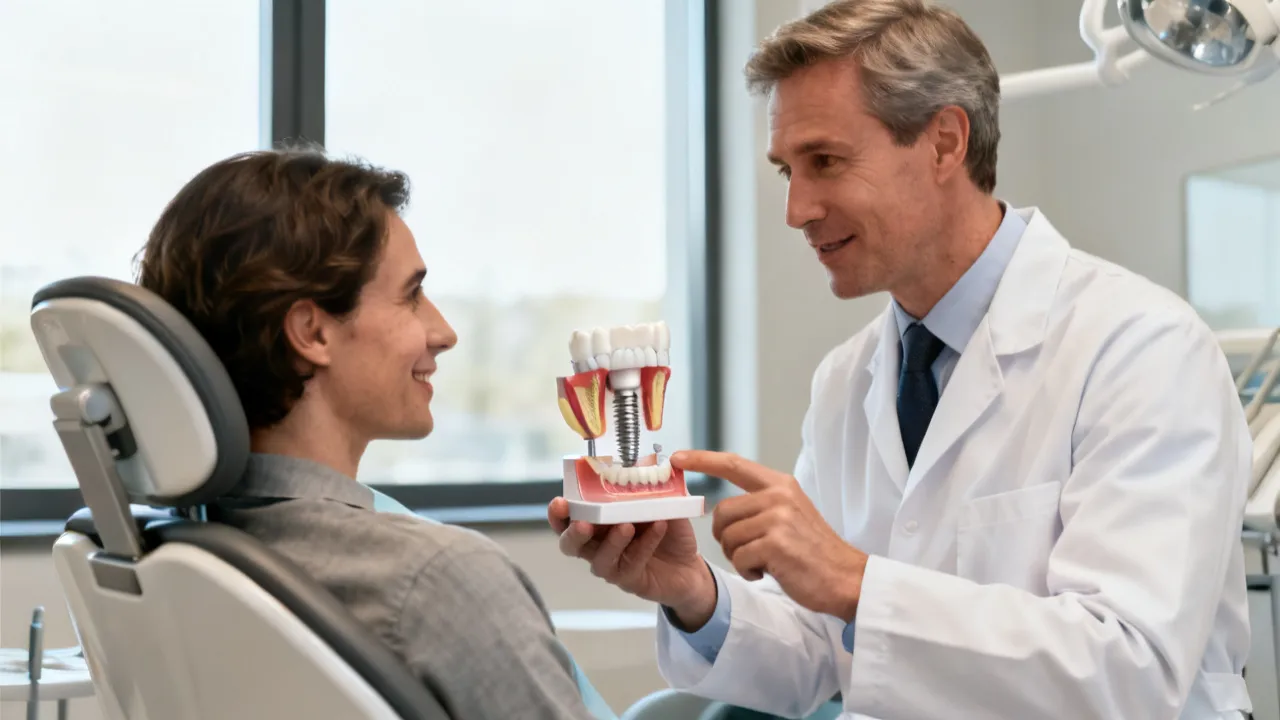
This guide explains how Rinsldo relates to the search for affordable dental implant care. It outlines objective background on implant dentistry, reviews reputable low-cost information sources, compares cost ranges across major regions, and provides a step-by-step checklist for planning treatment. It also includes practical FAQs and key cautions for informed decision-making.
This guide explains how Rinsldo dental implants are typically evaluated when patients look for low-cost care, while comparing internationally available approaches in English-, Spanish-, and Portuguese-speaking countries. It covers selection factors (materials, planning, experience), a reference cost overview by country, and a step-by-step path to lower implant spending through insurance, tourism logistics, and treatment planning—using objective, sourced information.
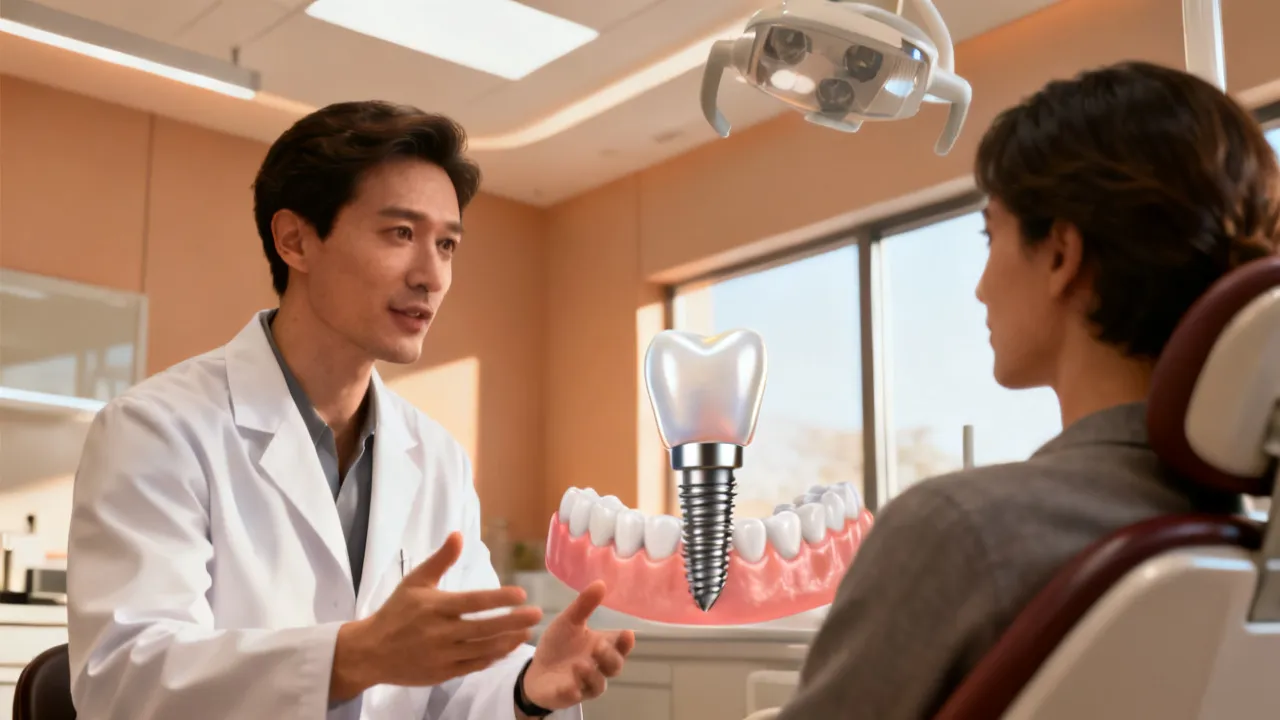
This guide explains how Vitrali Moema approaches dental implant planning, with an emphasis on affordability, evidence-based treatment sequencing, and patient decision-making. It also compares reputable information sources for low-cost options, outlines step-by-step pathways used in English-, Spanish-, and Portuguese-speaking settings, and provides reference implant cost ranges across multiple countries.
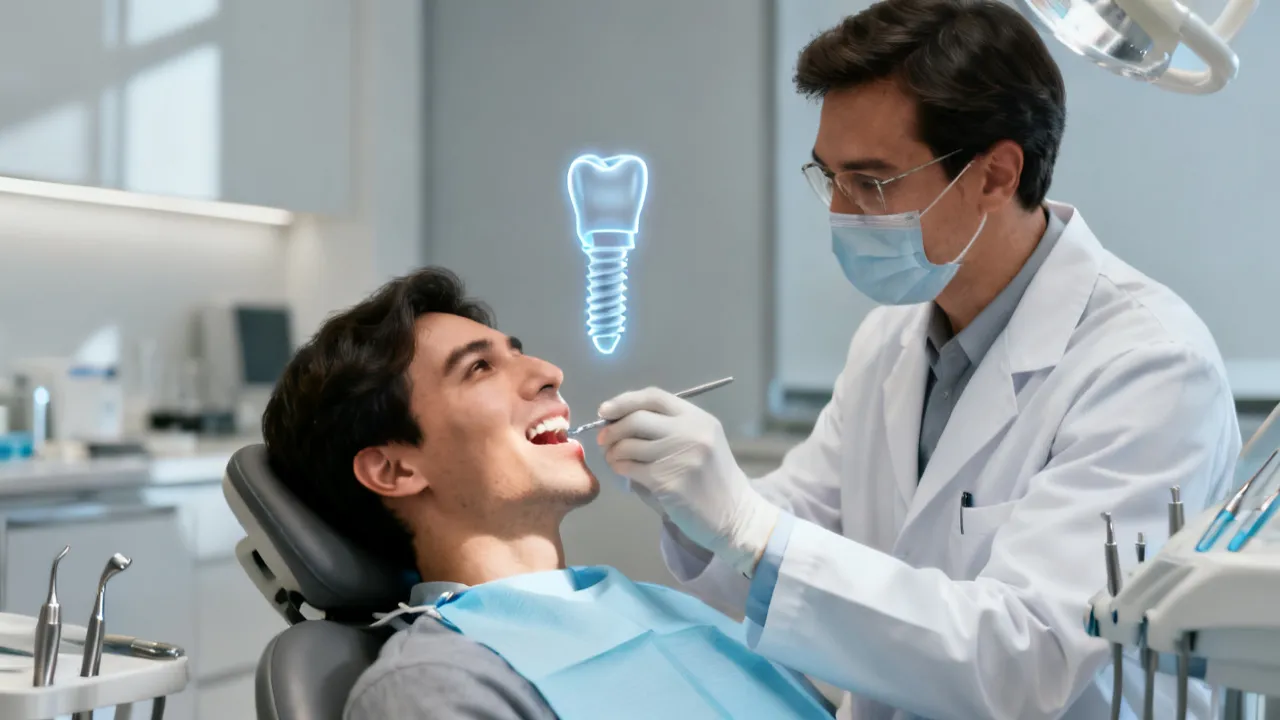
This guide explains dental implant options in Vitrali Moema and how “low-cost” approaches work in practice. It offers an objective overview of implant types, selection criteria, and typical cost ranges across multiple countries. You’ll also find a comparison of low-cost information sources, a step-by-step pathway to saving on treatment, and FAQs to clarify expectations before consultation.
