As the global population continues to age, addressing the needs of senior citizens has become an increasingly critical issue. Ensuring that senior living options are not only accessible but also affordable is essential to maintain the dignity, health, and well-being of older adults. This article explores the various challenges and solutions associated with making senior living more inclusive.

Many seniors live on fixed incomes, such as pensions and social security, which may not be sufficient to cover the rising costs of senior living facilities. With healthcare expenses also increasing, affordability becomes a significant concern.
Common conditions such as mobility issues and vision impairment necessitate that living spaces be designed with accessibility in mind. This requires specialized features like wheelchair ramps, handrails, and walk-in bathtubs.
Social isolation can severely impact mental health, leading to depression and cognitive decline. It is crucial for living environments to offer community engagement opportunities and mental health support.
Older adults often have complex healthcare needs, including chronic disease management. Accessible living arrangements must integrate healthcare services that are both comprehensive and easily available.
Public sectors and non-profit organizations can offer subsidies, grants, and tax incentives to make senior living more affordable. Public-private partnerships can also play a role in developing cost-effective housing solutions.
Implementing universal design principles ensures that living spaces are inherently accessible to everyone, regardless of age or ability. Features like step-free entrances, wide doorways, and lever handles can make a significant difference.
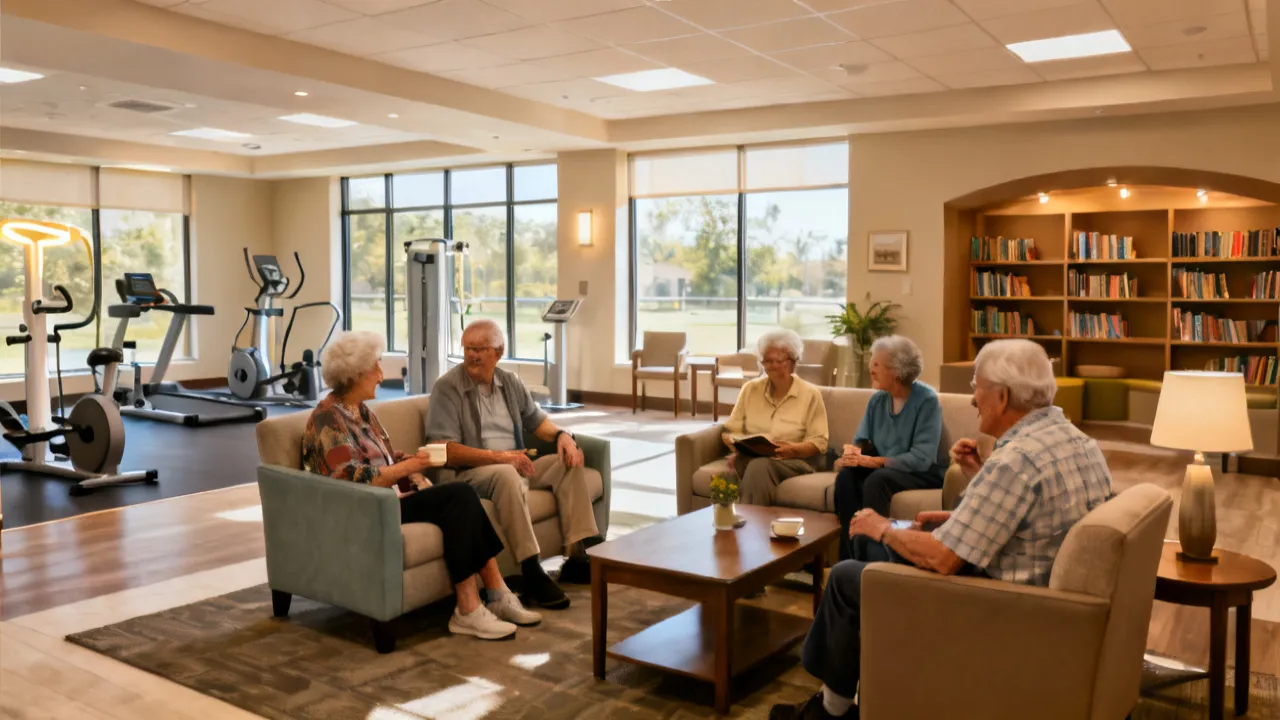
Designing senior living communities with social spaces and programs can alleviate the issue of isolation. Activities like group exercise classes, art workshops, and social clubs can foster a sense of community.
Incorporating on-site healthcare services and telemedicine can provide seniors with the medical attention they need without having to leave their homes. This can be achieved through partnerships with healthcare providers and innovative technologies.
The Green House Project in the United States is an excellent example of providing affordable, accessible senior living. These homes are designed in small communities to offer a family-like atmosphere, integrating both personal and medical care within a residential setting.
In Denmark, co-housing communities for seniors are becoming increasingly popular. These communities feature private apartments alongside shared facilities, promoting both independence and social connections.
Technology can significantly aid in making living spaces more accessible. Smart home systems can monitor health metrics, automate daily tasks, and provide emergency assistance.
Telemedicine services offer immediate access to healthcare professionals, reducing the need for frequent travel to medical facilities.
Devices like hearing aids, mobility scooters, and specialized software for the visually impaired can greatly improve the quality of life for seniors.
Ensuring accessibility and affordability in senior living is a multifaceted issue that requires coordinated efforts from multiple sectors, including public sector, healthcare, and community organizations. By addressing financial constraints, designing inclusive environments, fostering community, and integrating advanced technologies, we can create living spaces where seniors can thrive affordably and accessibly.
For further reading and resources, consider exploring the following websites:
World Health Organization (WHO) - Ageing
By taking these steps, we can work towards a future where aging populations enjoy dignity, health, and happiness in their golden years.





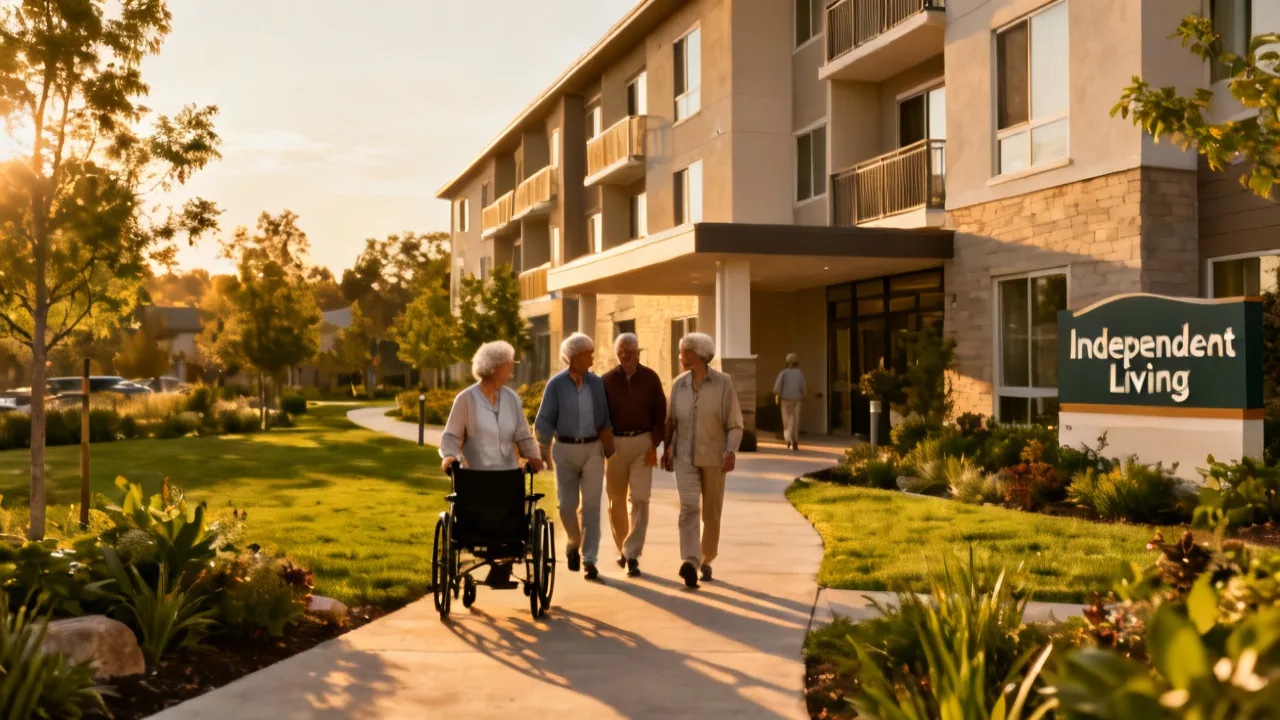
This guide explains how to evaluate Senior Independent Living nearby, with a focus on practical, cost-aware decision-making. It covers what independent living typically includes, how to compare pricing using rental-focused benchmarks, and how to verify services and eligibility using reliable resources in English-speaking countries and beyond. The background context clarifies why careful evaluation matters for seniors and families.
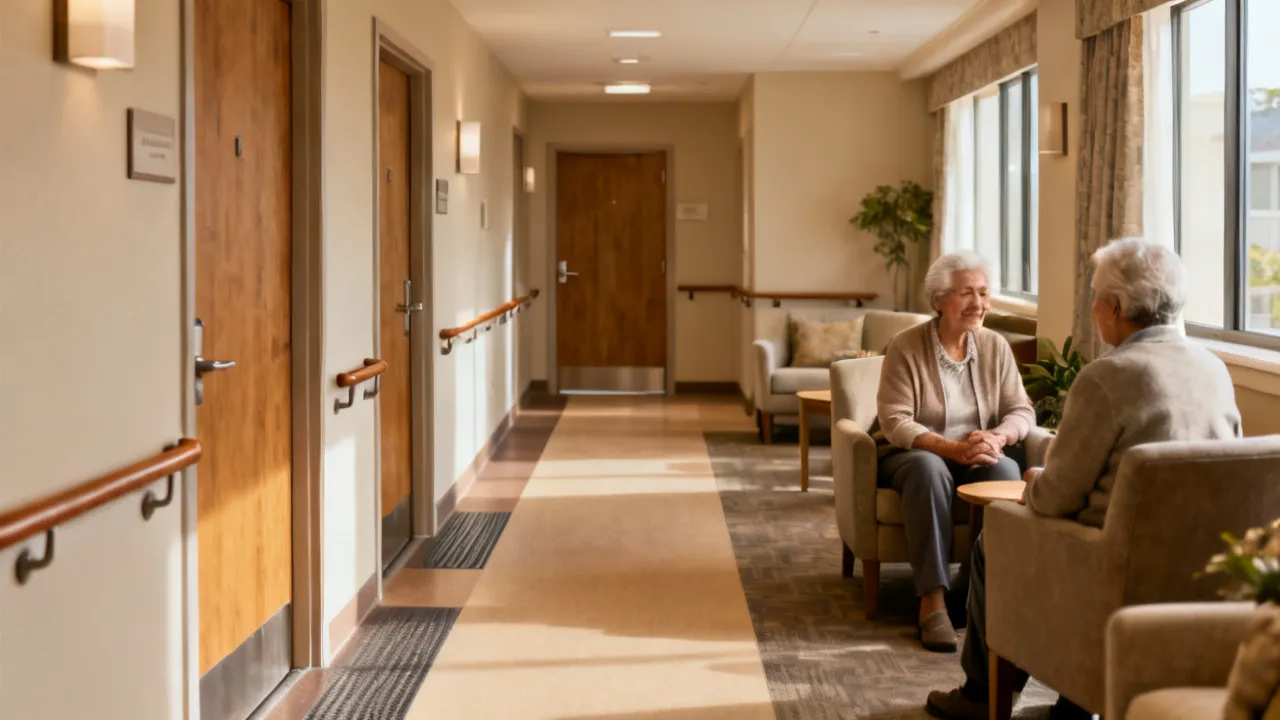
This guide explains how to compare Senior Independent Living Nearby options, with practical steps for evaluating costs, services, and rental terms. It outlines key decision factors such as location, accessibility, community activities, and contract requirements. Background context covers what independent living usually includes, how pricing tends to vary, and which reputable resources can help families verify details.

This guide explains how to evaluate and compare senior independent living nearby options, with a focus on rental-style costs, practical amenities, and decision criteria families can verify. It also outlines where to research in English-speaking and other countries, and how to shortlist communities responsibly using reputable directories, nonprofit guidance, and move-transition support.
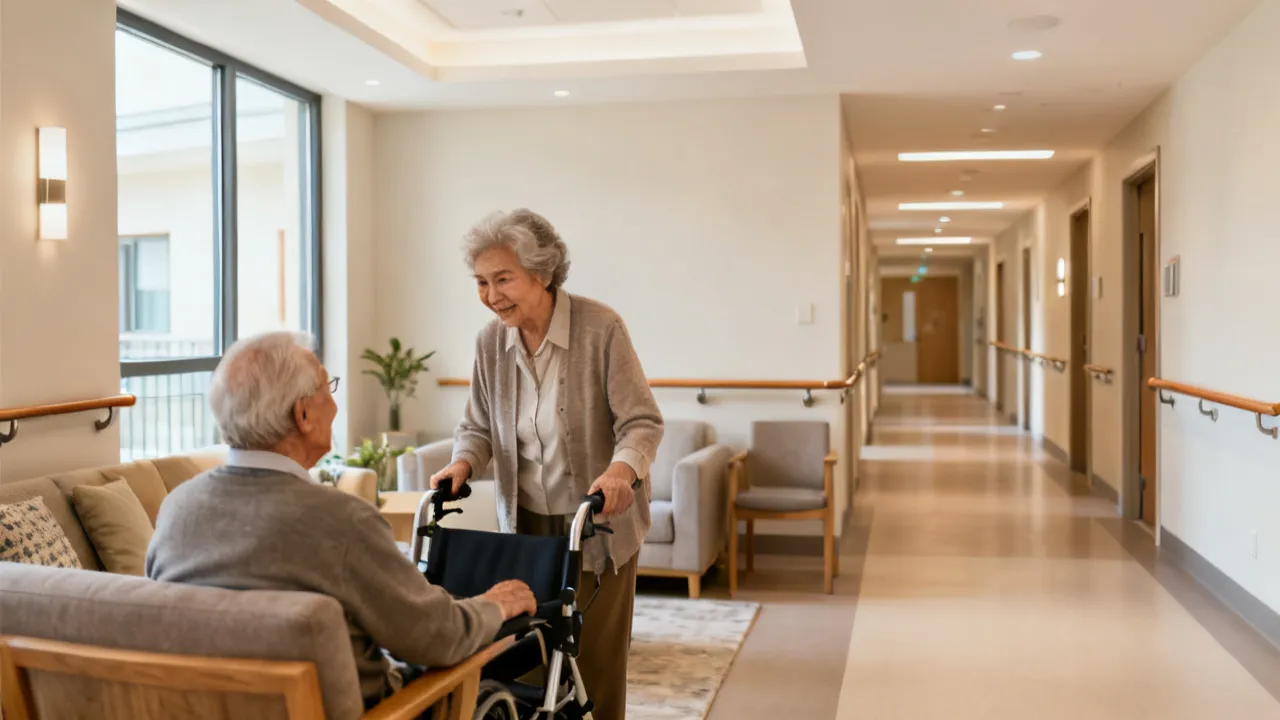
This guide explains how to evaluate Senior Independent Living nearby, including what “independent living” typically covers, how to compare rental-focused options, and how to estimate monthly costs across several countries. It also provides expert checklists for inspections, budgeting, and transition planning using reputable senior-living resources, with FAQs to help you make an objective decision.
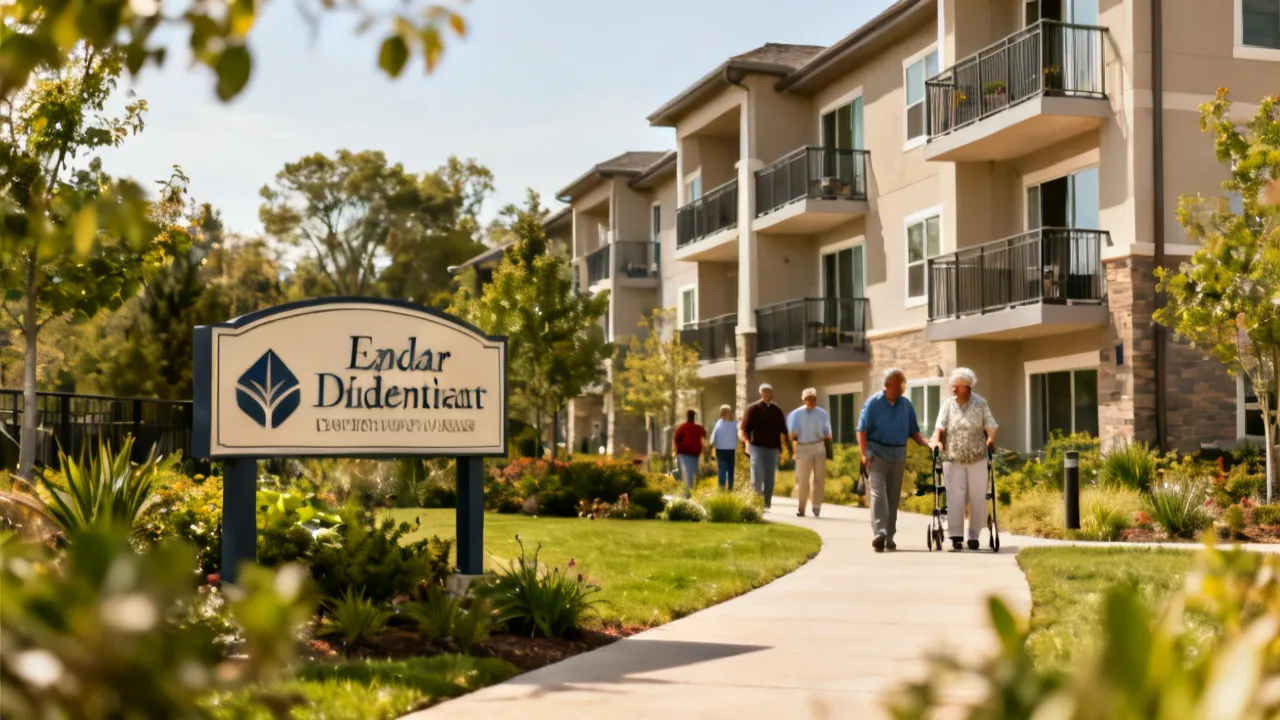
This guide explains how to evaluate Senior Independent Living nearby, especially when rental affordability matters. It outlines objective selection criteria for independent living options, the tradeoffs between location and monthly costs, and practical steps for researching communities. It also provides cost-range benchmarks across major {English-speaking countries} and other regions, plus expert tips on verifying services, contracts, and care pathways.

This guide helps you evaluate Senior Independent Living Near Me by comparing rental-focused options, affordability strategies, and selection criteria. It outlines the background of independent living—typically for seniors who want autonomy with supportive services—and explains why “nearby” matters for healthcare access, family involvement, and daily convenience.
Finding Senior Independent Living Near Me is about balancing independence, safety, and costs while matching services to real day-to-day needs. This objective guide explains how “independent living” differs from other senior housing models, what families should verify during tours, and how to research low-rental options using reputable organizations in English-speaking countries and in France.

This guide explains how to evaluate Senior Independent Living Near Me options with a focus on practical decision factors, service models, and rental cost expectations. It provides objective background on independent living, highlights reputable resources used in English-speaking countries, and offers step-by-step methods to compare low-cost alternatives. You’ll also find rental-only price ranges by country and city type.
