Orthodontics has come a long way from traditional metal braces. Today, one of the most sought-after options for achieving perfect teeth alignment is the use of invisible braces, often referred to as clear aligners. This guide will provide a thorough understanding of what invisible braces are, how they work, their advantages, and some common FAQs to help you navigate your orthodontic journey.

Invisible braces are customized, clear plastic trays designed to gradually shift teeth into their desired position. Unlike traditional braces, which use brackets and wires, invisible braces are almost undetectable and can be removed for eating, brushing, and flossing. The most popular brand of invisible braces is Invisalign, but several other options are available in the market.
Invisible braces function through a series of custom-made aligners that you switch out approximately every two weeks. Each aligner is designed to apply precise pressure to specific teeth, gradually guiding them to their correct positions. Here's a step-by-step breakdown of how the process typically unfolds:
One of the most significant advantages of invisible braces is their discreet appearance. Patients can straighten their teeth without the obvious look of metal brackets, making them a preferred choice for adults and teens.
Invisible braces are made from smooth plastic, which can result in less irritation to the gums and cheeks compared to traditional metal braces.
The ability to remove invisible braces is a substantial benefit. This allows you to eat and drink without restrictions, making oral hygiene easier to maintain.
The use of advanced technology and treatment planning ensures a predictable and efficient treatment process, often resulting in quicker results than traditional braces.
Every patient’s teeth are different, and invisible braces offer a highly individualized approach. The treatment plan is tailored for your specific needs and goals.
A: While invisible braces are effective for many individuals, they may not be suitable for complex orthodontic cases that require more aggressive treatment, such as severe bite issues. A consultation with an orthodontist can help determine the best option for your specific situation.
A: The duration of treatment varies from patient to patient but typically ranges from 6 months to 2 years, depending on the severity of the dental issues being addressed.
A: The cost of invisible braces is often comparable to traditional braces; however, costs can vary based on the complexity of the case and the provider. Insurance may cover part of the expenses, so it’s good to check with your provider.
A: No, you should remove your aligners before eating or drinking anything other than water to prevent staining and damage.
A: Most patients will need to see their orthodontist approximately every 6 to 8 weeks for progress checks and to receive new sets of aligners.
Invisible braces offer a functional, aesthetic, and comfortable solution for achieving perfectly aligned teeth. With advances in orthodontic technology, they provide an effective alternative to traditional metal braces. It's crucial to consult with a qualified orthodontist to develop a tailored treatment plan that meets your specific needs.
For more information on orthodontics and invisible braces, consider referring to the following websites:
American Association of Orthodontists
Healthline: What Are Clear Aligners?
Invest in your smile today for a brighter, healthier tomorrow!






Tooth loss can significantly affect not only an individual's appearance but also their overall oral health. When a tooth is lost, the surrounding teeth can shift, leading to misalignment, increased plaque buildup, and potential periodontal issues. This article will discuss how dental implants can maintain oral health after tooth loss and provide practical guidance for individuals considering this restorative option.

As society advances, the significance of oral health, particularly among the elderly population, has garnered increasing attention. One of the essential developments in this realm is the emergence of dental implants, which provide a viable solution for individuals suffering from tooth loss.
This article aims to provide an objective overview of the benefits, maintenance, and best practices related to dental implants for the elderly, enabling them to maintain optimal oral health.

This guide reviews low-cost dental implant options and how people in English-, Spanish-, and Portuguese-speaking countries typically manage affordability. It explains what dental implants are, which factors drive price, and how to compare clinics, insurance, and dental tourism routes. It also provides practical steps, example implant cost ranges by country, and expert-style FAQs.

This guide examines how people evaluate low-cost dental implant options, with practical decision frameworks and cost expectations across English-, Spanish-, and Portuguese-speaking countries. It objectively discusses the role of patient eligibility, treatment planning, and dental insurance, and then details how to compare providers and manage total costs. Jane Aparecida Rodrigues is included as a reference name within the dental care context.
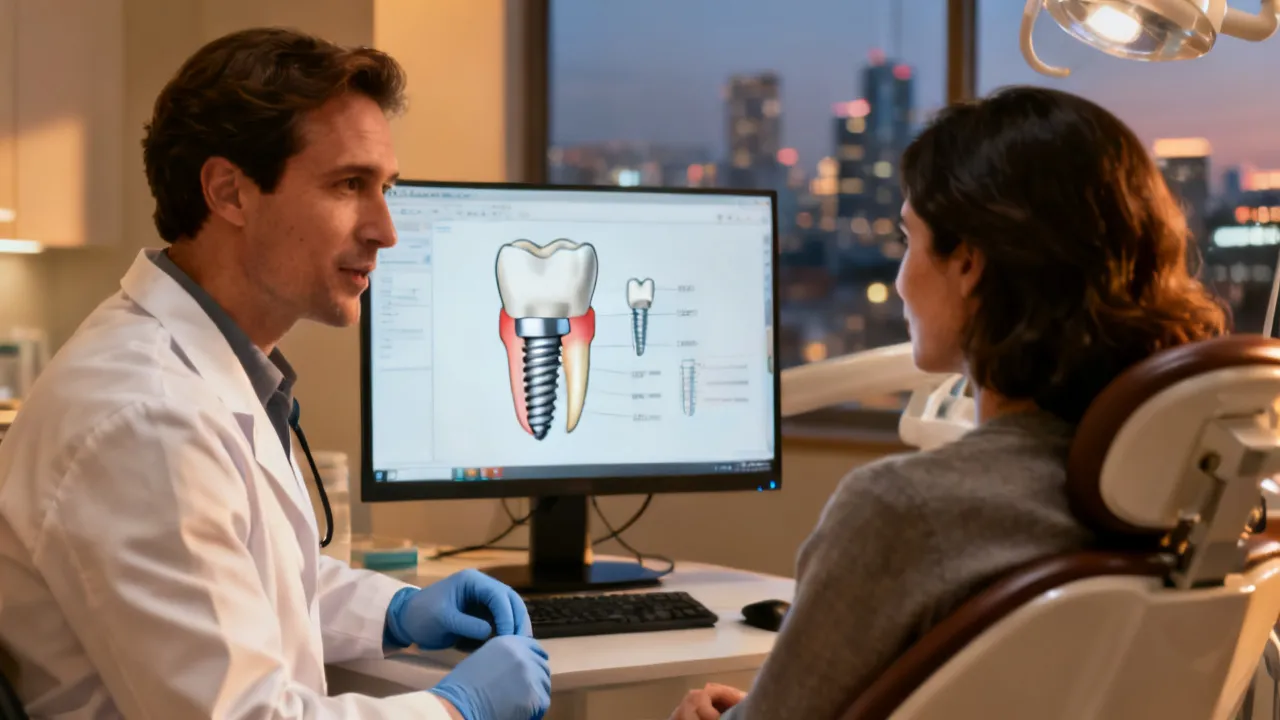
This guide explains Vitrali Moema’s role in the broader conversation about dental implants and cost-conscious care, while remaining objective. It reviews how implant treatment works, what “low-cost” typically means across English-, Spanish-, and Portuguese-speaking markets, and outlines a step-by-step process, price reference ranges, and FAQs so patients can plan responsibly.
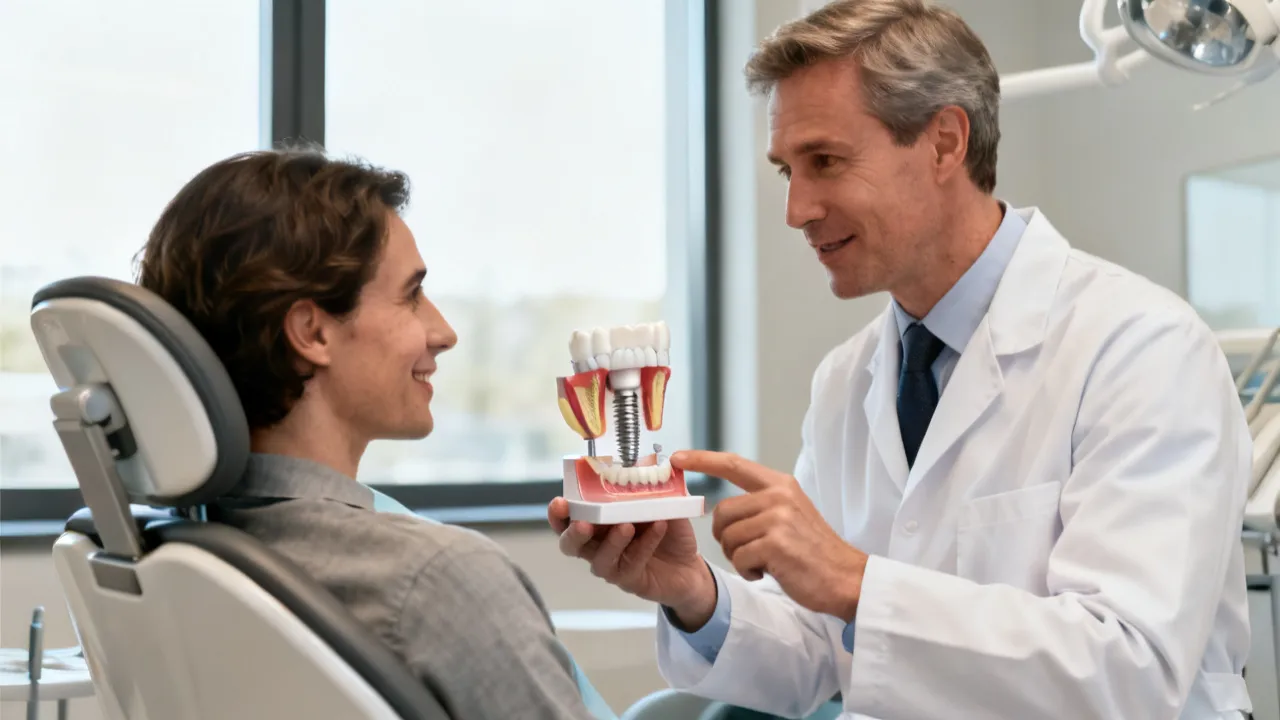
This guide explains how Rinsldo relates to the search for affordable dental implant care. It outlines objective background on implant dentistry, reviews reputable low-cost information sources, compares cost ranges across major regions, and provides a step-by-step checklist for planning treatment. It also includes practical FAQs and key cautions for informed decision-making.

This guide explains how Rinsldo dental implants are typically evaluated when patients look for low-cost care, while comparing internationally available approaches in English-, Spanish-, and Portuguese-speaking countries. It covers selection factors (materials, planning, experience), a reference cost overview by country, and a step-by-step path to lower implant spending through insurance, tourism logistics, and treatment planning—using objective, sourced information.
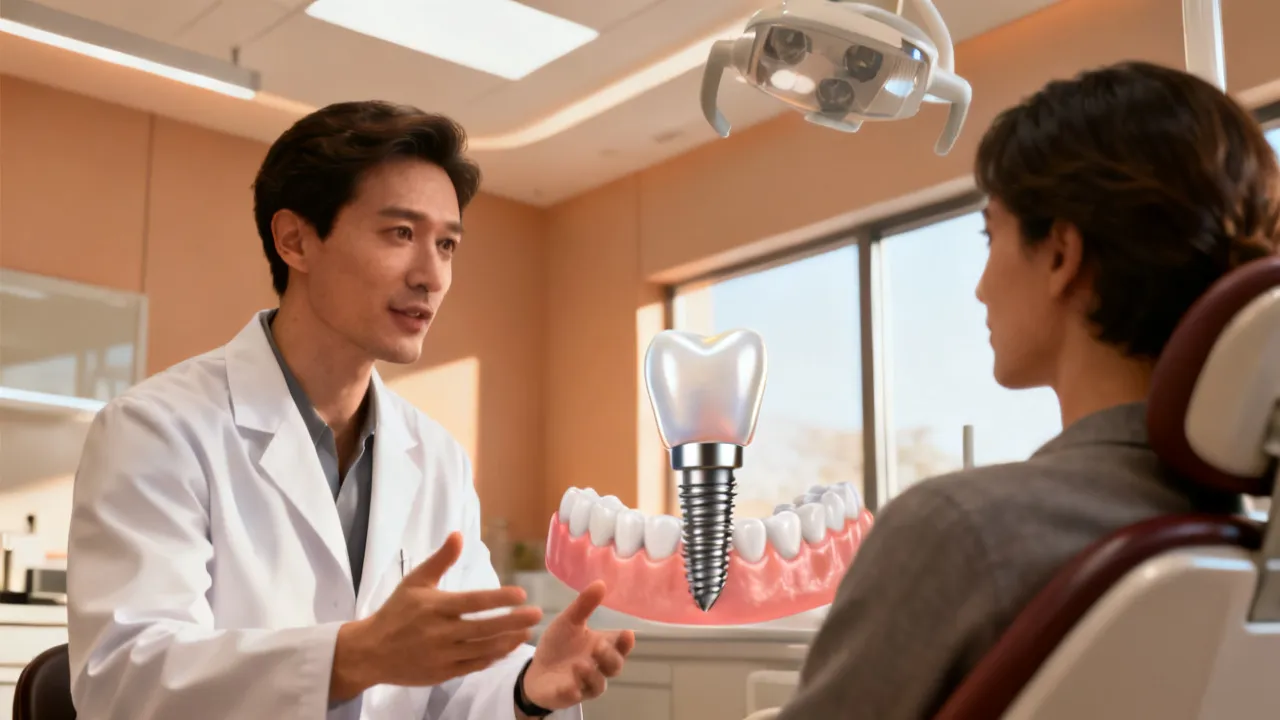
This guide explains how Vitrali Moema approaches dental implant planning, with an emphasis on affordability, evidence-based treatment sequencing, and patient decision-making. It also compares reputable information sources for low-cost options, outlines step-by-step pathways used in English-, Spanish-, and Portuguese-speaking settings, and provides reference implant cost ranges across multiple countries.
